
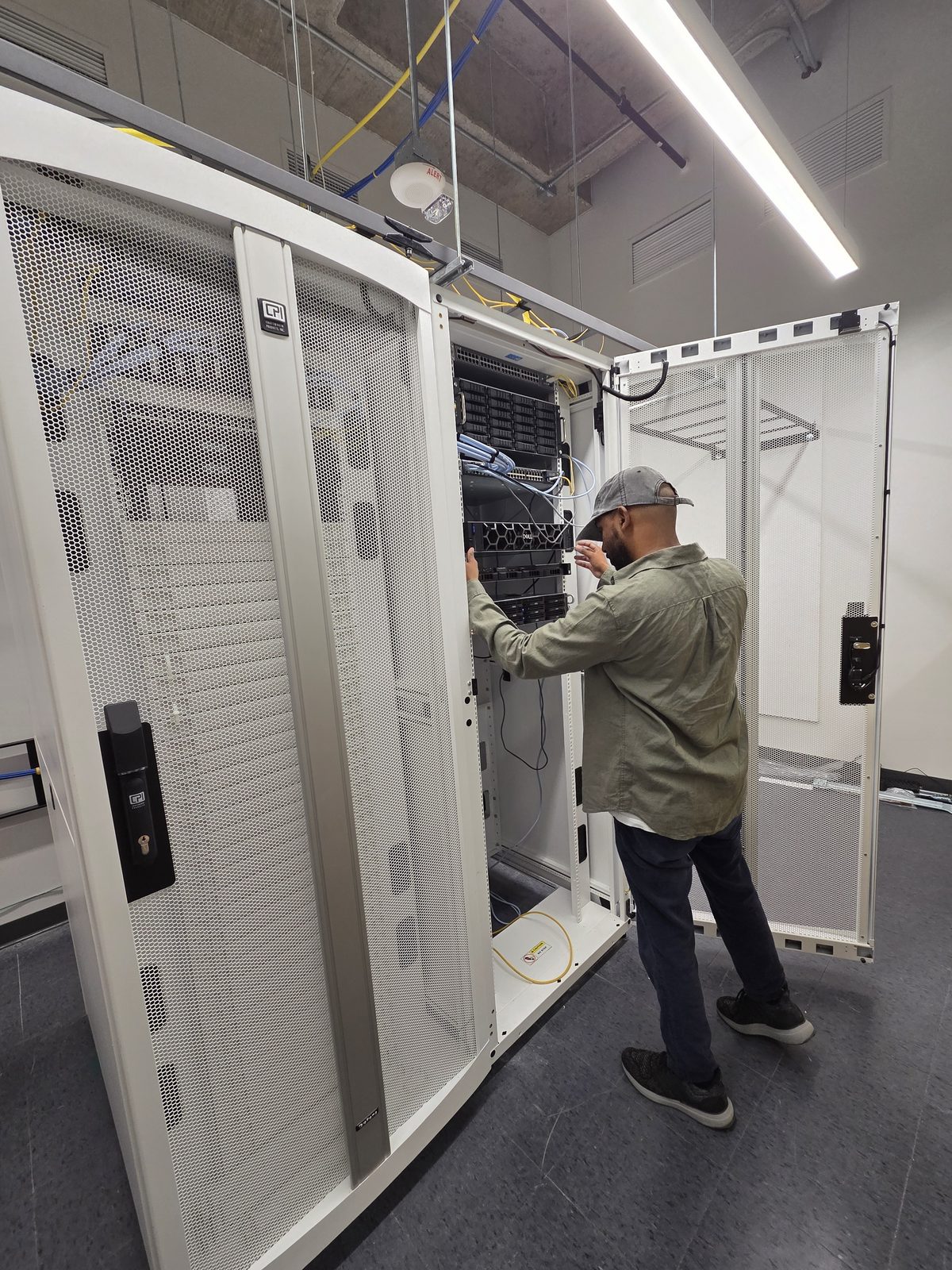
I’m a postdoctoral researcher at UT San Antonio, where I lead vehicle and sensing systems development for ScooterLab, an NSF-funded micromobility research testbed. My research focuses on designing and deploying sensing systems in real-world environments and investigating the security and privacy risks associated with sensors in mobile and wearable devices. Beyond research, I manage the computing infrastructure for ScooterLab and SPriTELab, including servers, GPU compute, storage, and self-hosted services. Also, my home server runs an ever-growing collection of VMs, all of which I’ve somehow convinced myself I need. Outside of work, I stress-bake and work on my car. Only one of those is relaxing.
- Mobile Sensing
- Micromobility
- Wearable Systems
- Human-Computer Interactions
- AI-Generated Content
- Privacy and Security
PhD in Computer Science, 2024
The University of Texas at San Antonio
MS in Computer Science, 2017
Wichita State University
BS in Computer Science, 2015
Asia Pacific Institute of Information Technology, Sri Lanka
Research
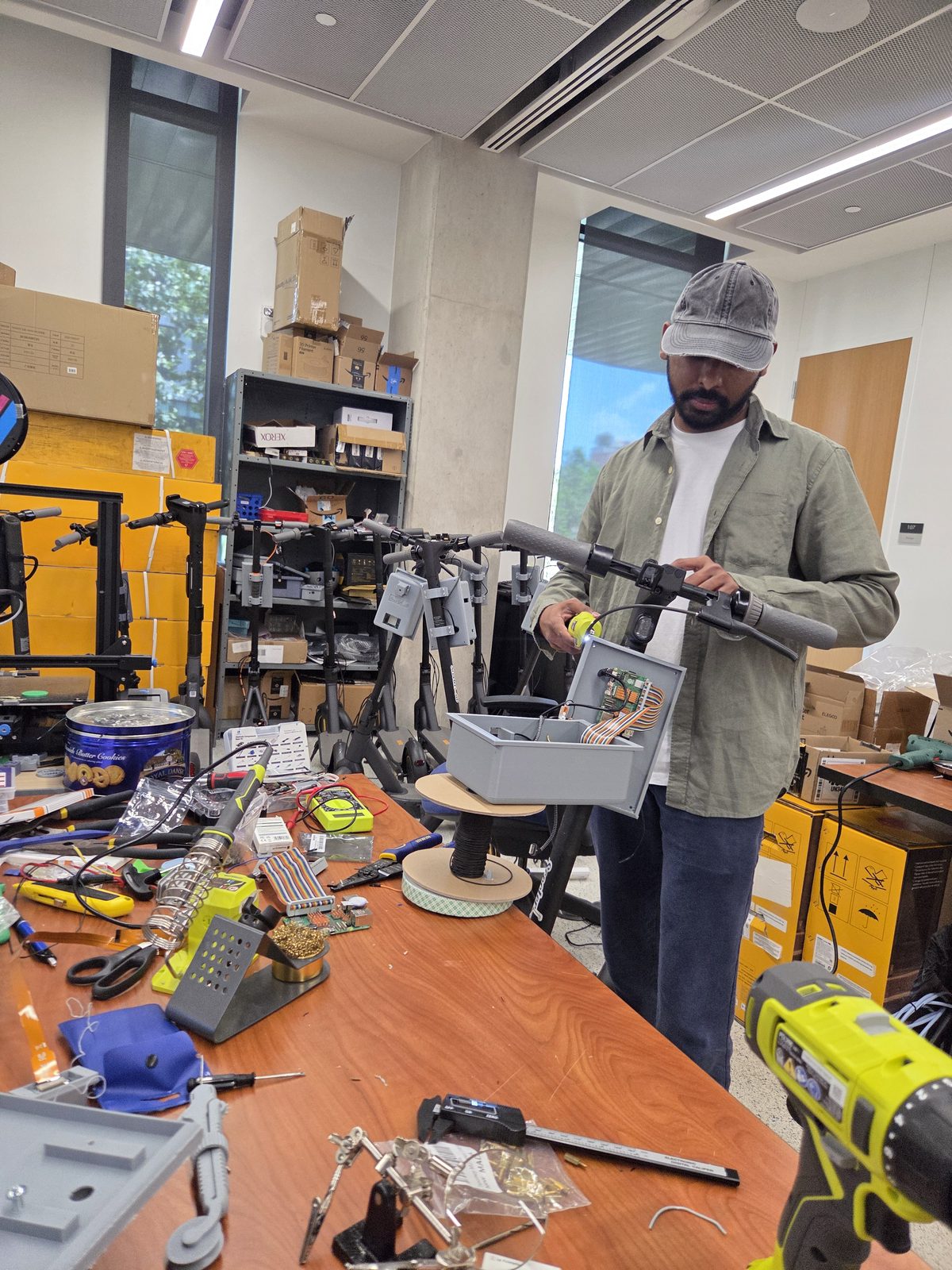
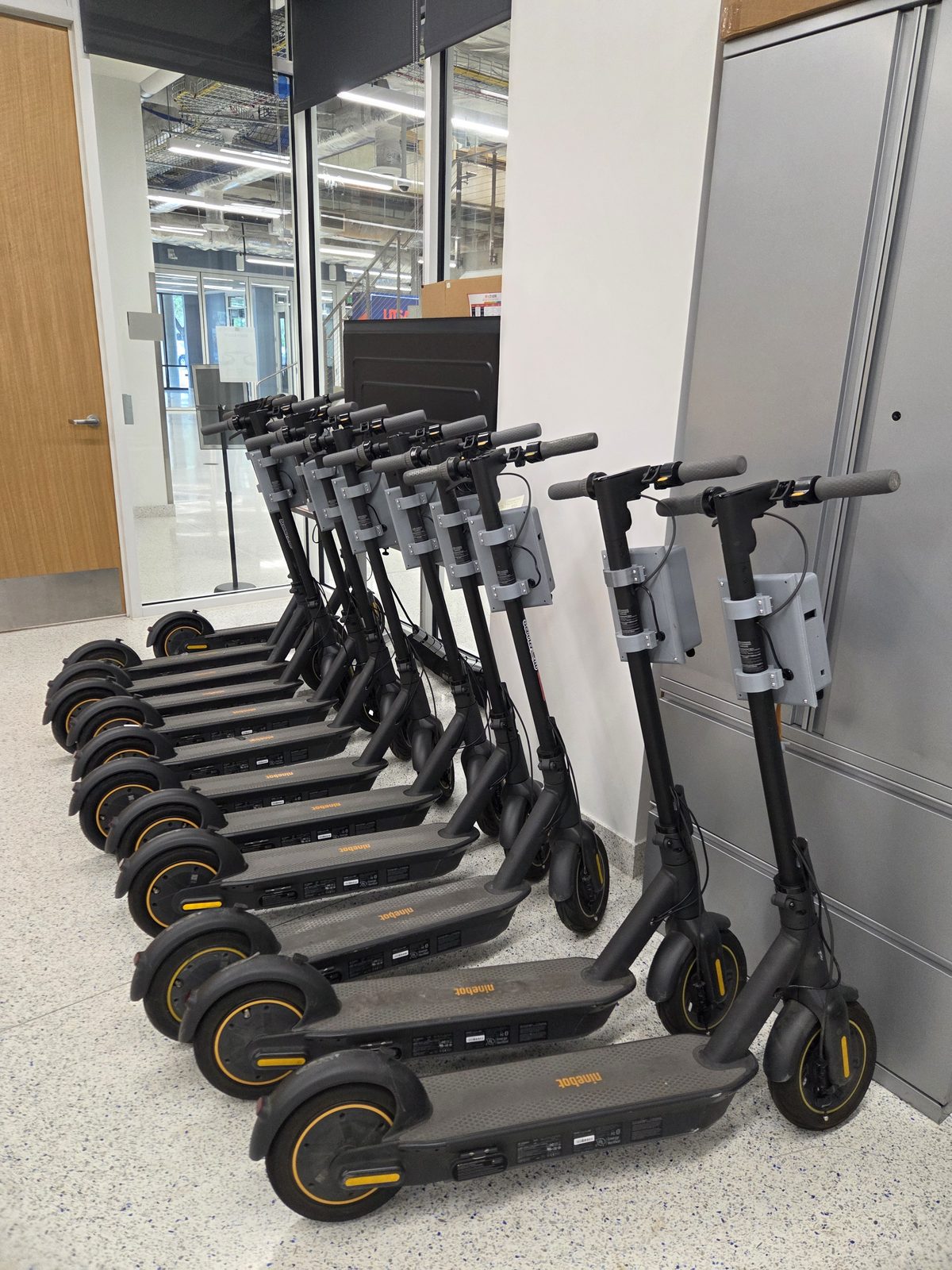
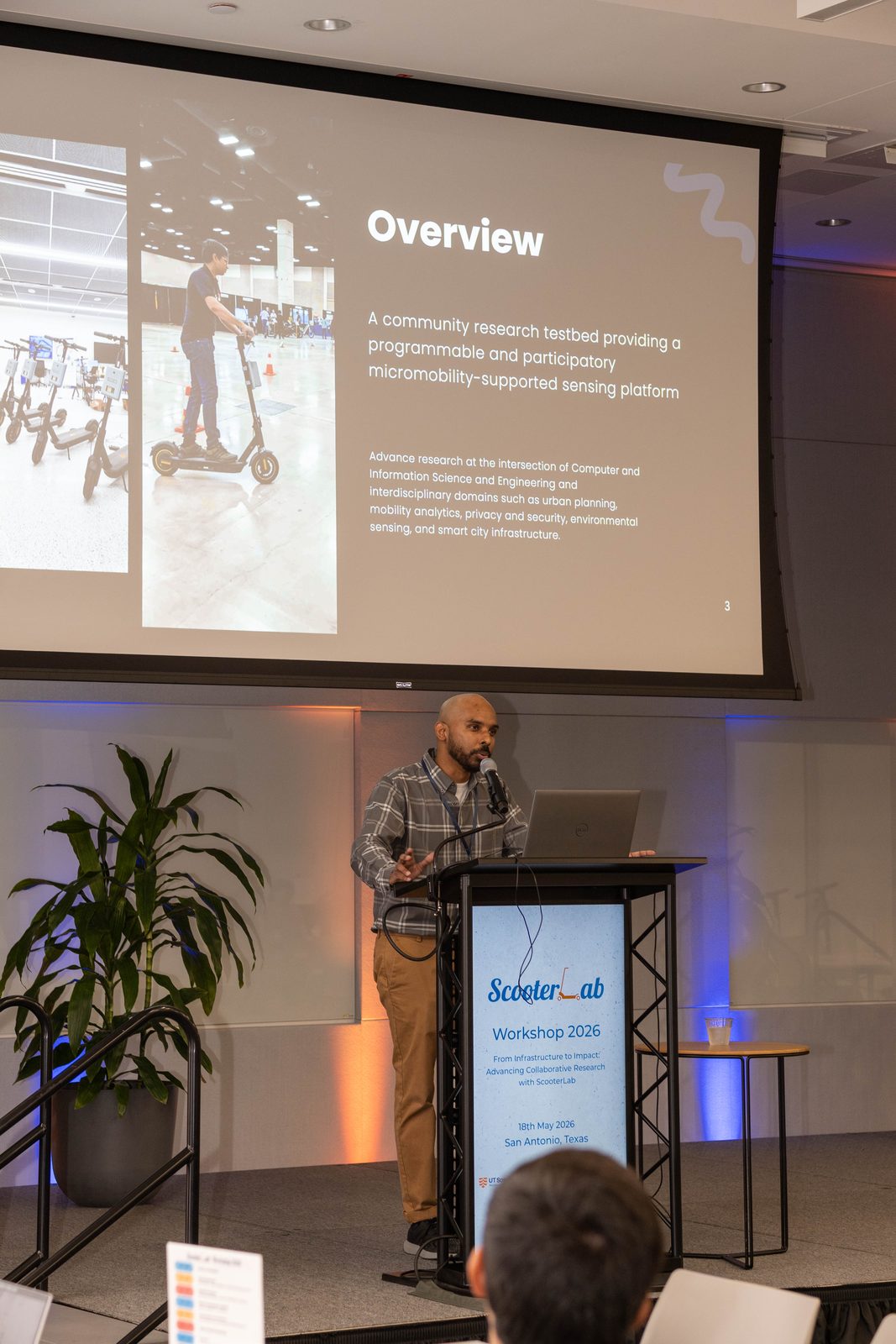
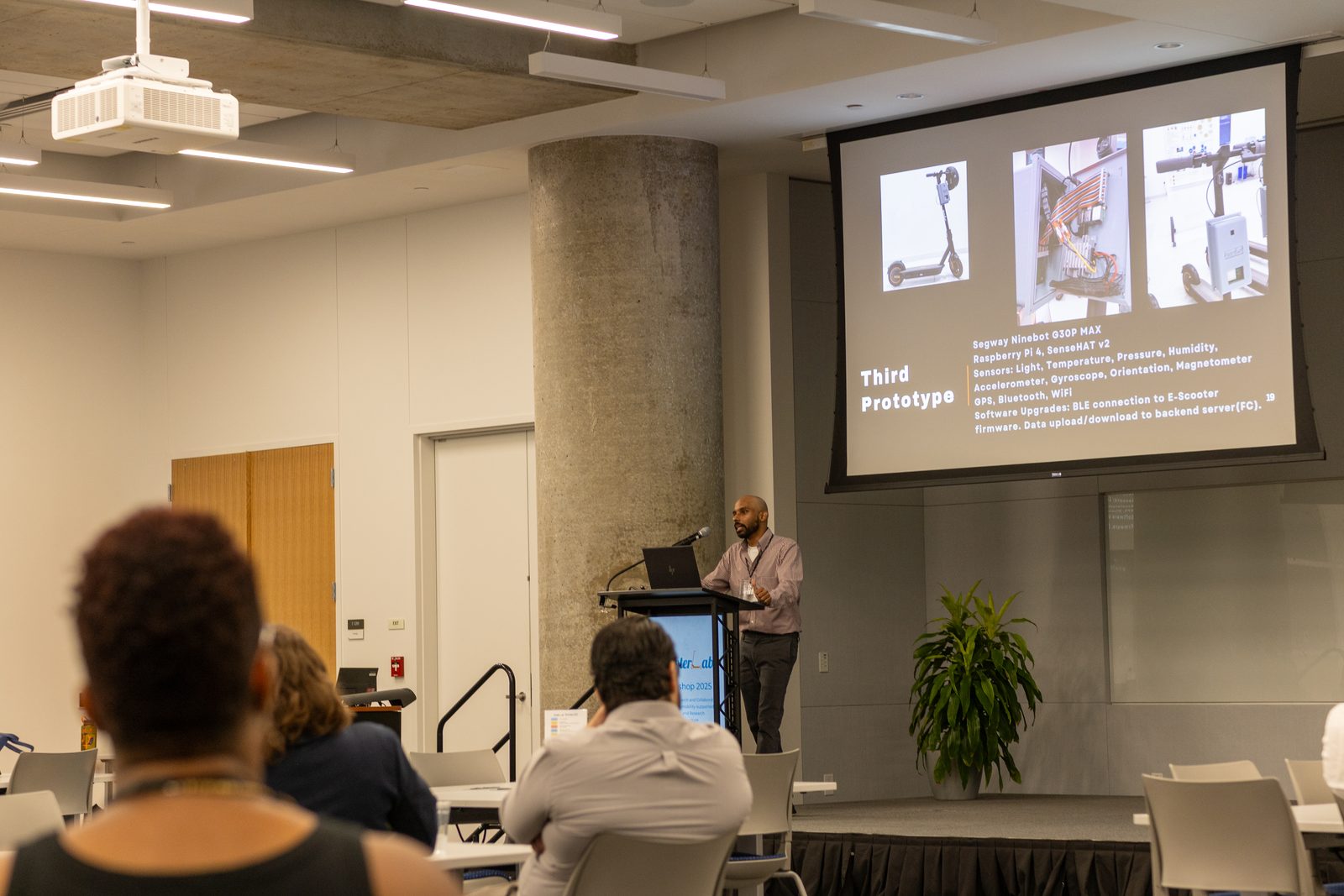
ScooterLab
NSF-funded testbed of 30 sensor-equipped e-scooters (scaling to 100) that researchers can program for their own studies
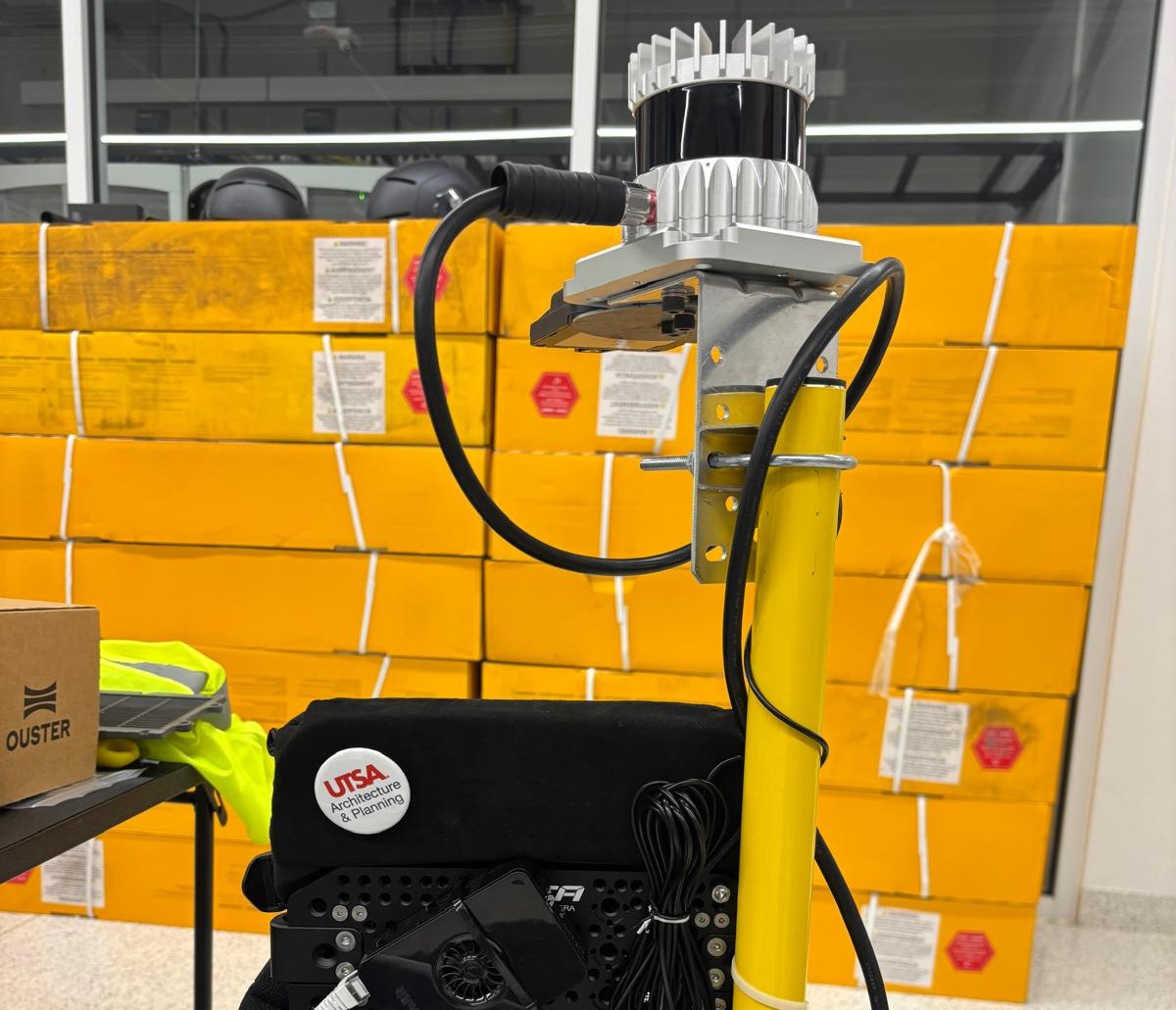
LiDAR-Based Urban Sensing
Open, low-cost, privacy-preserving LiDAR workflow for urban mapping and object tracking, with UT San Antonio Urban and Regional Planning
Ongoing · Code
Wearable and Sensor Privacy
Privacy and security risks of motion, audio, and thermal sensors in smartwatches, headphones, and VR headsets; watermarking event-camera data
EuroS&P 2026 · ACNS 2026 · ThermalTap · IoT 2023 · WiSec 2021 · WiSec 2019
AI-Generated Art
Large human-subject studies of how accurately people infer the prompt behind an AI-generated image
Anonymity and Censorship-Resistant Networking
Moving-target DNS-over-HTTPS server on hyperscalers and IPNS; bandwidth inflation attack on Tor
AI-Generated Content
Package hallucinations in code LLMs (19.7% of generated packages do not exist); fake-audio detection with spiking neural networks
ACML 2025 · USENIX Security 2025 · Distinguished Paper · Code + Data
Privacy and Security of Mobile Apps
E-scooter rental apps: data collection, CCPA/GDPR gaps, and weak cryptography or insecure storage in over 85% of apps
E-Scooter Safety
Wearable crowd-sensing field study of pedestrian safety risks from e-scooters, and where and when they occur
Recent Publications
Experience
Gallery
At Work
Away from Work